You will burn 3,000–4,000 calories a day on the Camino. Most pilgrims eat a croissant and hope for the best. Here is what actually fuels a long walk — and what to buy before you set off.
The calorie problem
Walking 25–30km a day with a pack burns somewhere between 3,000 and 4,500 calories depending on your weight, pace, and the terrain. The meseta stages are relatively flat and burn less. The Pyrenees crossing on day one of the Francés, or the mountain stages of the Primitivo, burn considerably more.
Most pilgrims are chronically underfuelling. They eat a café con leche and a croissant at the start of the day, walk for four hours, then wonder why their legs feel heavy and their mood has dropped through the floor.
The fix is simple: eat more, eat often, and carry the right things for the hours between café stops.
The rhythm of eating on the Camino
A typical Camino day looks like this:
- 6:00–7:00 — Leave the albergue. Many pilgrims skip breakfast or grab something minimal.
- 9:00–10:00 — First café stop. Breakfast proper: toast, eggs, fruit, coffee.
- 13:00–14:00 — Lunch stop in a bar or restaurant. The menú del día is your friend here.
- 15:00–17:00 — Arrive at the next albergue. Showered and horizontal.
- 19:00–20:00 — Dinner. The menú del peregrino if available.
The gap between leaving in the morning and the first café stop — and again between lunch and arrival — is where most pilgrims run into trouble. Two to four hours of walking with nothing in the tank is where blisters start to feel worse, where knees start to complain, and where morale drops.
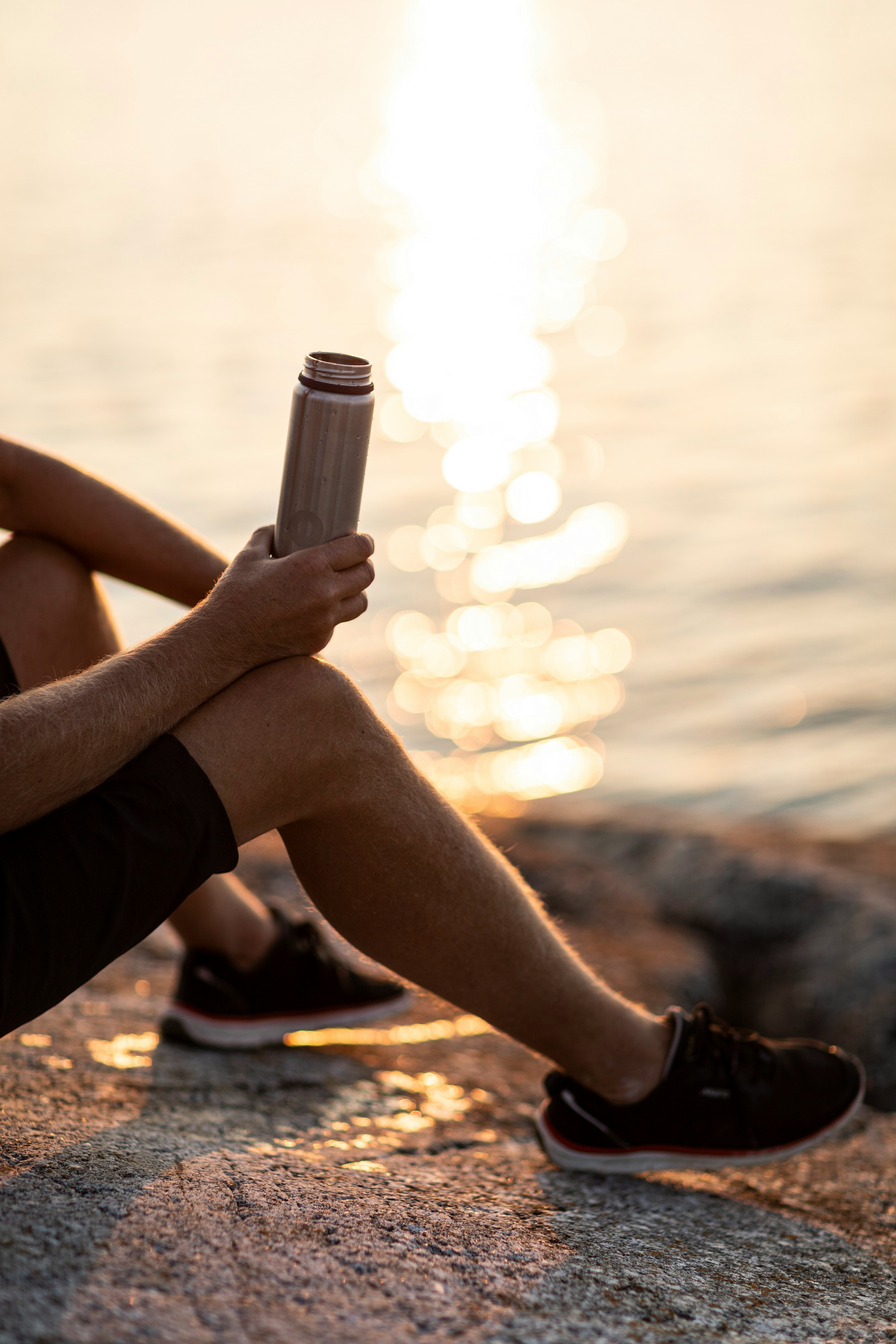
The answer is trail snacks. Carried in the top pocket of your pack, eaten every 60–90 minutes whether you feel hungry or not.
What to carry
Energy and carbohydrates
The body burns glycogen during sustained aerobic exercise. On a long walking day, you need to keep topping it up. The most efficient way to do this on the move is fast-digesting carbohydrates — something you can eat while walking without stopping.
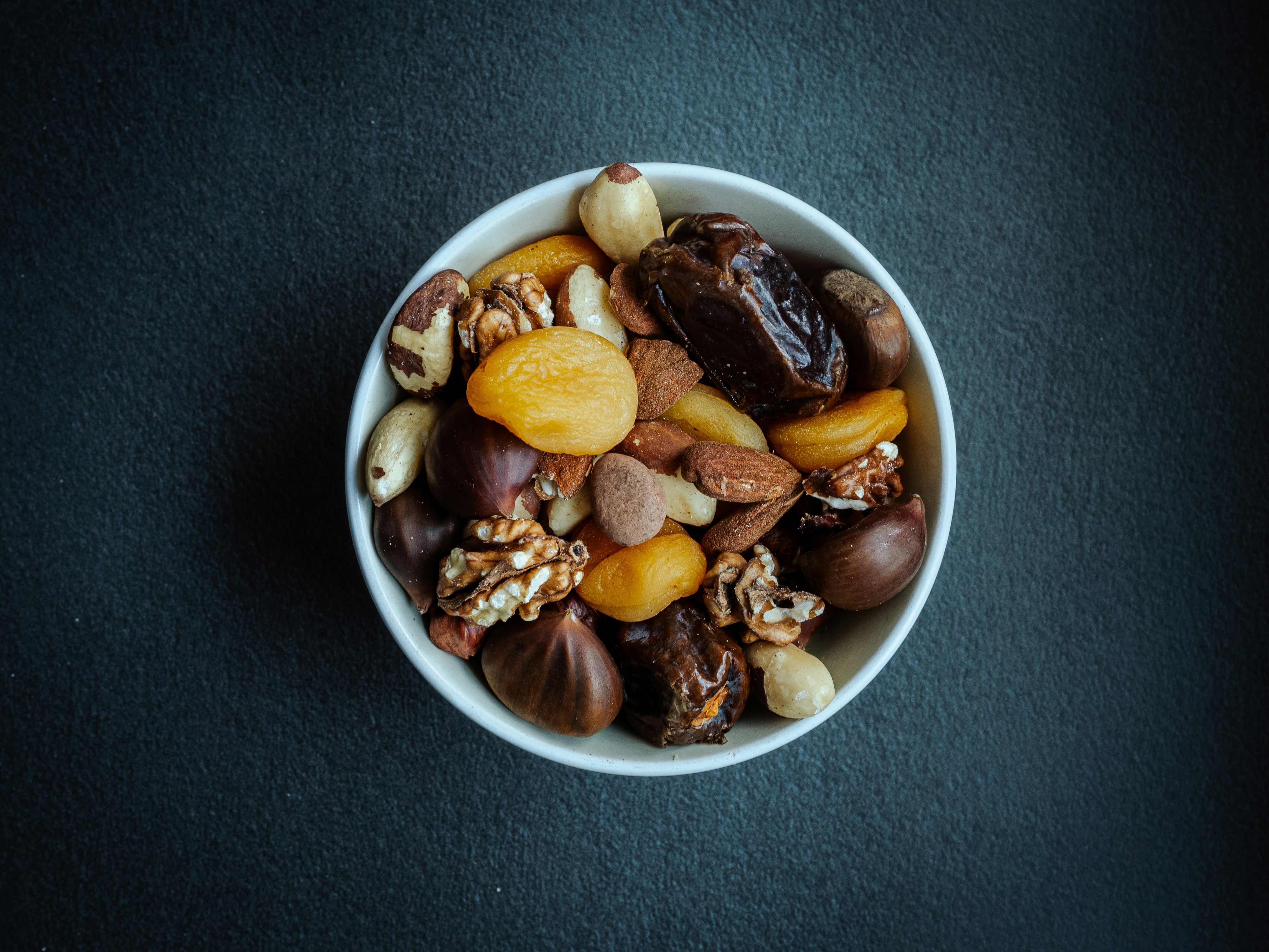
Dates are the ideal Camino trail snack. Available in every Spanish supermarket, cheap, calorie-dense (roughly 280 calories per 100g), and naturally sweet without the crash of sugary sweets. A small bag of Medjool dates in your hip belt pocket is the single best snack addition most pilgrims can make.
Energy gels divide opinion. They work — they deliver fast carbohydrates in a format that requires no chewing and sits easily in a stomach that is also managing dehydration and heat. They are not necessary for most pilgrims on flat stages. For long mountain stages, carrying two or three is a sensible precaution. Maurten and SiS both make good options available on Amazon.
Dried fruit and nut mix is the classic. Buy it loose from any Spanish supermarket rather than in expensive pre-portioned bags. Almonds, walnuts, dried apricots, and raisins give you fat, protein, and carbohydrate in one. Avoid mixes with lots of added sugar or yoghurt coating — they melt in heat and make a mess.
Protein
Protein matters more than most pilgrims realise. It is not just a post-gym concern — sustained walking breaks down muscle tissue and you need protein to repair it overnight so you can walk again the next day. Pilgrims who undereat protein tend to feel progressively worse as the weeks go on rather than stronger.
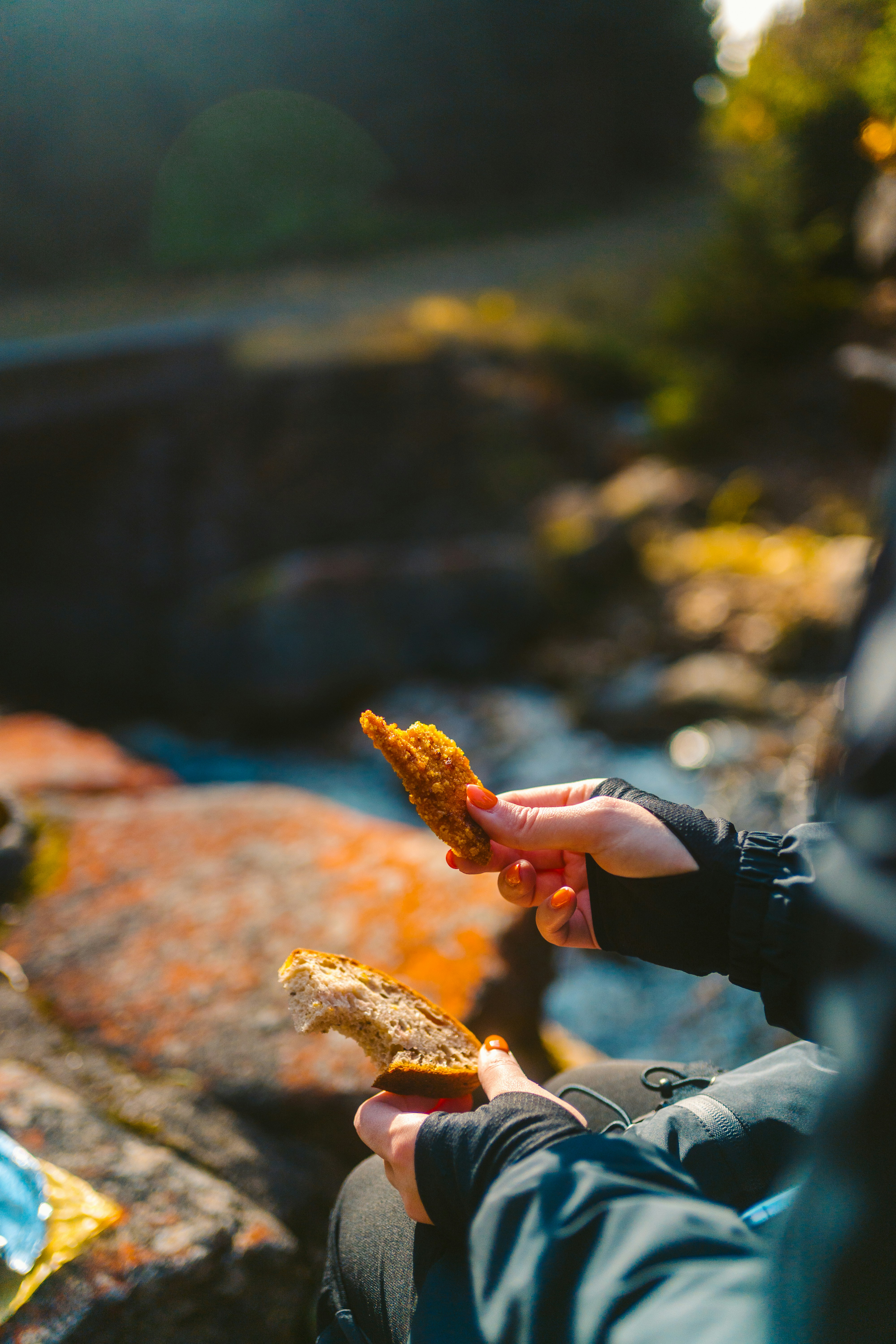
Cheese is the easiest protein source on the Camino. Spanish supermarkets sell vacuum-packed portions of manchego and other hard cheeses that survive a few hours in a pack without refrigeration. Eat with bread at the morning café stop.
Jamón (cured ham) is another practical option — again, vacuum-packed, shelf-stable for hours, and sold everywhere. High in protein and salt, which helps replace what you lose sweating.
Protein bars are worth carrying for longer stages where café stops are sparse. The Norte and Primitivo have longer gaps between services than the Francés. Look for bars with at least 15g of protein and not too much sugar. Trek and Grenade are both solid options available before you leave home.
Electrolytes
Sweating depletes not just water but sodium, potassium, and magnesium. Drinking water alone on a long hot day without replacing electrolytes leads to hyponatraemia — a condition where blood sodium drops too low, causing headaches, nausea, and fatigue that feels like dehydration but does not respond to drinking more water.
The simplest solution is electrolyte tablets dissolved in your water bottle. Nuun and High5 both make good options. Carry a tube and drop one in your water in the morning and again after lunch on hot days.
Salt in your food also helps. The menú del peregrino tends to be reasonably salty, which is one reason pilgrims who eat it regularly tend to feel better than those who skip meals.
The menú del peregrino
For dinner, the pilgrim menu is your best nutritional and financial option on most stages of the Camino. Typically €10–13, it includes three courses — usually a salad or soup, a main of meat or fish with chips or vegetables, and dessert — plus bread, water, and wine.
The wine is not mandatory but pilgrims have been drinking it with dinner for a thousand years. A glass with dinner is not going to hurt your walking.
The pilgrim menu is available to Credencial-holders at participating restaurants along the route. Not every restaurant offers it, and availability diminishes in larger cities where tourists rather than pilgrims set the prices.
What to buy before you leave
You can buy almost everything you need in Spanish supermarkets — Mercadona and Lidl are the most common and both stock everything on this list. But a few items are worth having from the start:
- Electrolyte tablets — not always easy to find in smaller towns. Buy a tube before you go.
- Energy gels — specific brands are hard to find in rural Spain. If you want them, pack them.
- Protein bars — widely available in cities but patchy in smaller stages.
Everything else — dates, nuts, dried fruit, cheese, jamón — buy as you go. Fresher, cheaper, and you are not carrying it from home.
A note on the pilgrim breakfast
The standard Spanish pilgrim breakfast — café con leche, tostada con tomate y aceite — is genuinely good fuel if you eat enough of it. Two slices of toast with olive oil and tomato gives you carbohydrate and fat. The coffee wakes you up. Add a piece of fruit if available.
Where pilgrims go wrong is eating too little of it, or skipping it because the albergue has an early departure time and the café does not open until 8am. In that case, carry breakfast food the night before — a banana, some nuts, a piece of bread from dinner — so you are eating something within the first hour of walking.
The bottom line
Eat more than you think you need. Eat before you feel hungry. Carry snacks that do not require stopping. Drink water with electrolytes on hot days. Eat the pilgrim menu.
The Camino is a long walk, not a diet. Pilgrims who fuel well walk better, recover faster, sleep more soundly, and arrive in Santiago in better shape than those who try to manage on coffee and willpower.
Some links in this post may be affiliate links. We only recommend products we would carry ourselves.
What we would pack — quick reference
The products below are what we would actually carry. Where Amazon makes sense we have linked it; where a Spanish supermarket is cheaper and more practical, we have said so.
SiS Go Isotonic Energy Gel→
60ml · ~65g each · pack of 6
The most practical energy gel for the Camino — isotonic formula means no water needed to digest it, which matters when you are rationing your bottle between fountains. Take one every 90 minutes on long stages or mountain crossings. Pack 4–6 for the Pyrenees day.
High5 Zero Electrolyte Tablets→
20 tablets · ~50g per tube
Drop one in your water bottle each morning and again after lunch on hot days. Replaces sodium, potassium and magnesium lost through sweat. Significantly better than drinking plain water in heat above 30°C. Citrus flavour is the most neutral for all-day drinking.
Grenade Carb Killa Protein Bar→
60g per bar
20g of protein in a format that survives a rucksack in summer heat. Eat one in the evening if the pilgrim menu was light on protein. Useful for the Norte and Primitivo where service gaps mean you may not always find a full menú.
Dates — buy at Mercadona
Skip Amazon on this one. Every Mercadona along the Camino stocks 250–500g bags of dates for €2–4 — the same product that costs three times as much online. They are the ideal trail snack: calorie-dense, naturally sweet, no packaging waste. Buy a bag every few days as you walk.
Mixed nuts and dried fruit — buy at Mercadona or Casa Ametller
Same logic. Pre-portioned trail mix bags on Amazon are expensive and arrive in excessive packaging. Mercadona sells loose mixed nuts by weight; Casa Ametller (particularly good in Catalonia and Aragón) stocks high-quality dried fruit and nut combinations. Fill a small zip-lock bag each morning. Cheaper, fresher, and zero shipping footprint.
Some links above are affiliate links — we earn a small commission if you purchase through them, at no extra cost to you. We only recommend products we would carry ourselves.
Ready to plan your Camino?
Build your free day-by-day itinerary — no agency, no fees.
Plan my Camino →